
Empowering you with the information to
confidently make decisions
that best fit the needs of you and your family.
National Consumer Transparency Week
We know consumers expect more from the makers of America’s food, beverage, home and personal care products. And the consumer packaged goods (CPG) industry has always worked to meet consumers’ evolving preferences. That’s why the Consumer Brands Association is proud to lead National Consumer Transparency Week, June 8-12, 2026, creating a moment to highlight the industry’s long-standing and ongoing commitment to consumer transparency and tools such as SmartLabel, Facts up Front, Truth About Ingredients and Food Processing Facts.
The truth: America’s favorite food, beverage, household, and personal care brands have never been safer.
Safe & Convenient
While the idea of growing your own food or crafting your own household products might seem appealing, it's often far from convenient, cost-effective, or safe. The complexity of ensuring proper nutrients, avoiding contaminants, and maintaining consistent quality can be overwhelming. Your favorite consumer product brands offer a tested and trusted alternative, providing the peace of mind that comes with guaranteed safety, unparalleled convenience, and consistent affordability.
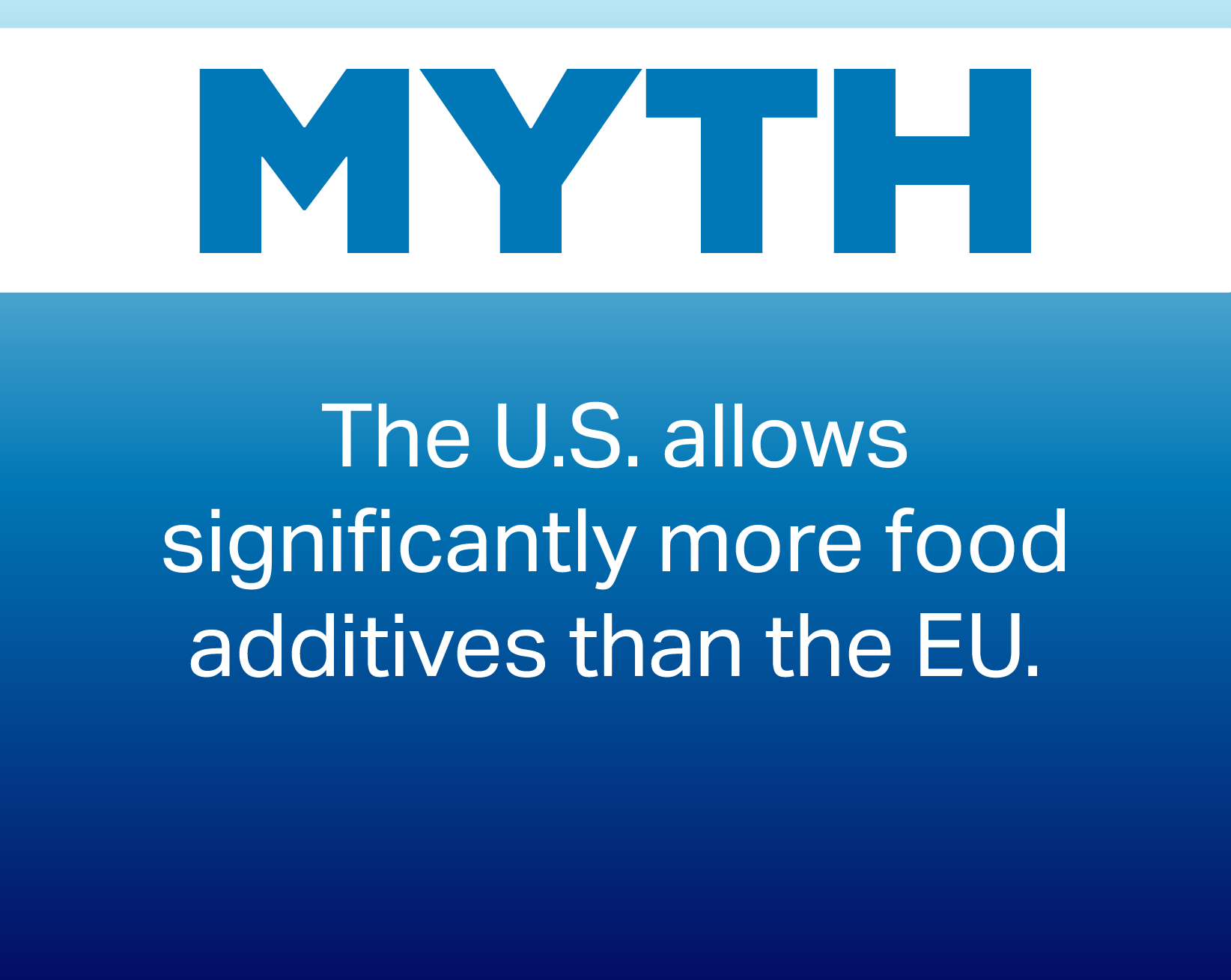
Ingredient and labeling standards look different in every state. This creates confusion for consumers and hurts our small businesses. A clear, national ingredient and labeling law fixes that: one set of rules. One national, uniform standard.

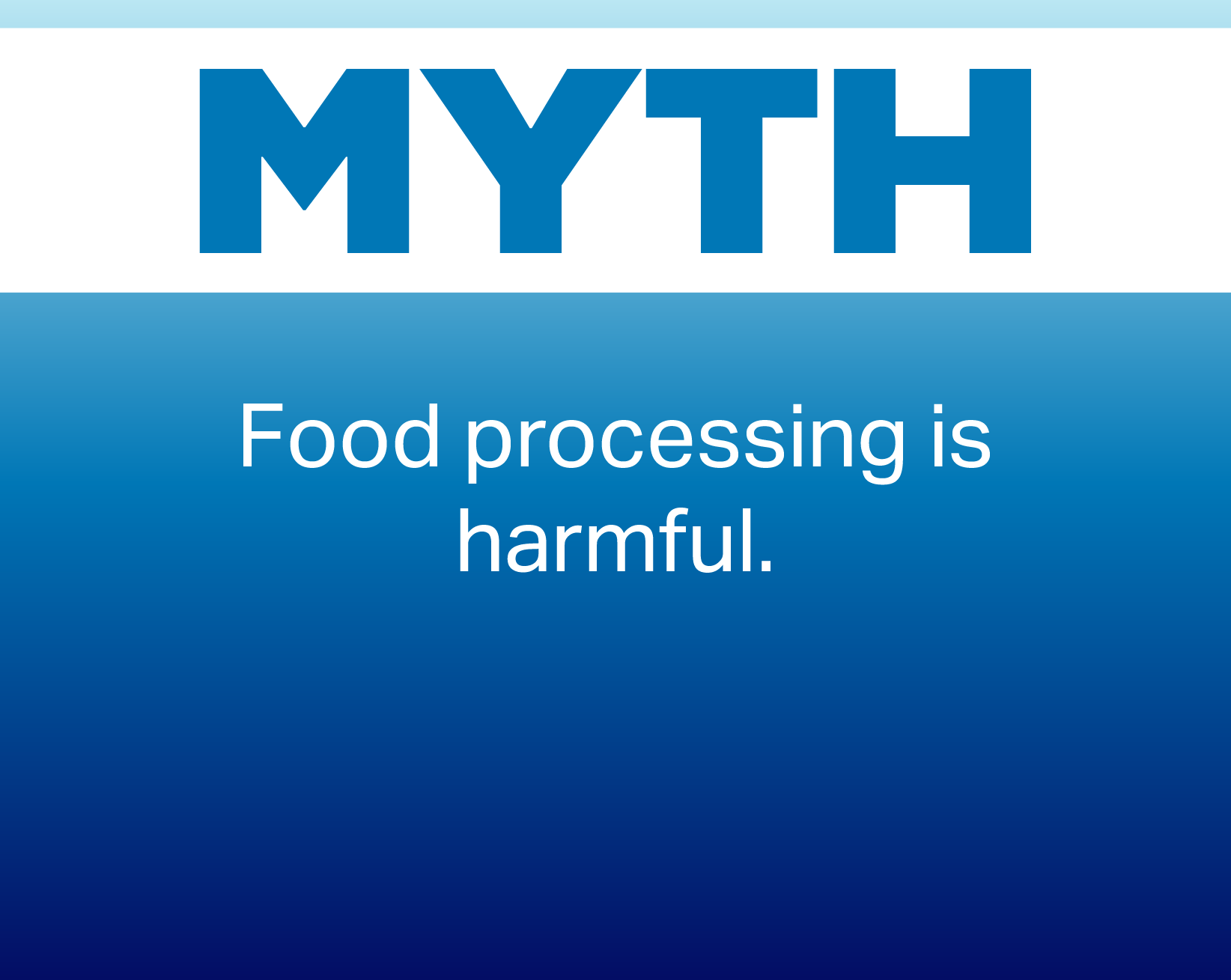
With widespread misinformation about consumer safety, Americans deserve the truth about their food and household products. Food processing actually helps create safe, nutritious products through proven methods like pasteurization. The truth is, America’s food supply is highly regulated and incredibly safe.
Click on each myth below to get the REAL facts.
UNDERSTANDING INGREDIENTS
Just because it’s hard to pronounce, doesn’t mean it’s bad for you
America’s favorite food, beverage, and household brands are committed to providing safe, high-quality products. Every ingredient, no matter how complex its name, serves a purpose in ensuring safety, stability, and effectiveness. These scientifically named compounds—like Riboflavin, also known as Vitamin B2, a nutrient found in breads and milk that helps convert food into energy—are carefully tested and regulated. The FDA requires consistent labeling across all products, using precise terms to ensure accuracy and transparency. To reduce confusion caused by varying state laws, a clear national labeling standard is needed so consumers can better understand and trust what’s in the products they use every day.
-

PRESERVATIVES
Without preservatives, many foods wouldn’t stay fresh for long enough to reach the table and some products would expire long before being used. Natural preservatives, such as salt and vinegar, and chemical preservatives, such as benzoic acid or sorbic acid, help protect flavor, prevent spoilage and reduce the risk of foodborne illness. They also extend the shelf life of the household and personal care products you use daily.
-
NUTRIENTS
Many everyday products are fortified with essential nutrients such as niacinamide, a form of Vitamin B3, or thiamine hydrochloride, also known as vitamin B1, making it easier for consumers to get essential nutrition and helping to fill common dietary gaps.
-

EMULSIFIERS & STABILIZERS
Emulsifiers blend ingredients, while stabilizers keep them from separating, helping to maintain a uniform texture, improve "mouth-feel" and support longer shelf life. Together, stabilizers and emulsifiers, such as polysorbates, an ingredient used to help oil and water mix smoothly, help to deliver high-quality products that consumers depend on daily.
-

SWEETENERS
According to the Dietary Guidelines for Americans, limiting added sugars is part of a healthy diet, but many products wouldn’t be the same without a touch of sweetness. Sweeteners such as fructose, an ingredient naturally found in fruit, provide sweetness to your favorite treats. However, they also do more than add flavor; they help to keep foods moist, extend shelf life and could reduce calories.
TRUST COMES FROM TRANSPARENCY
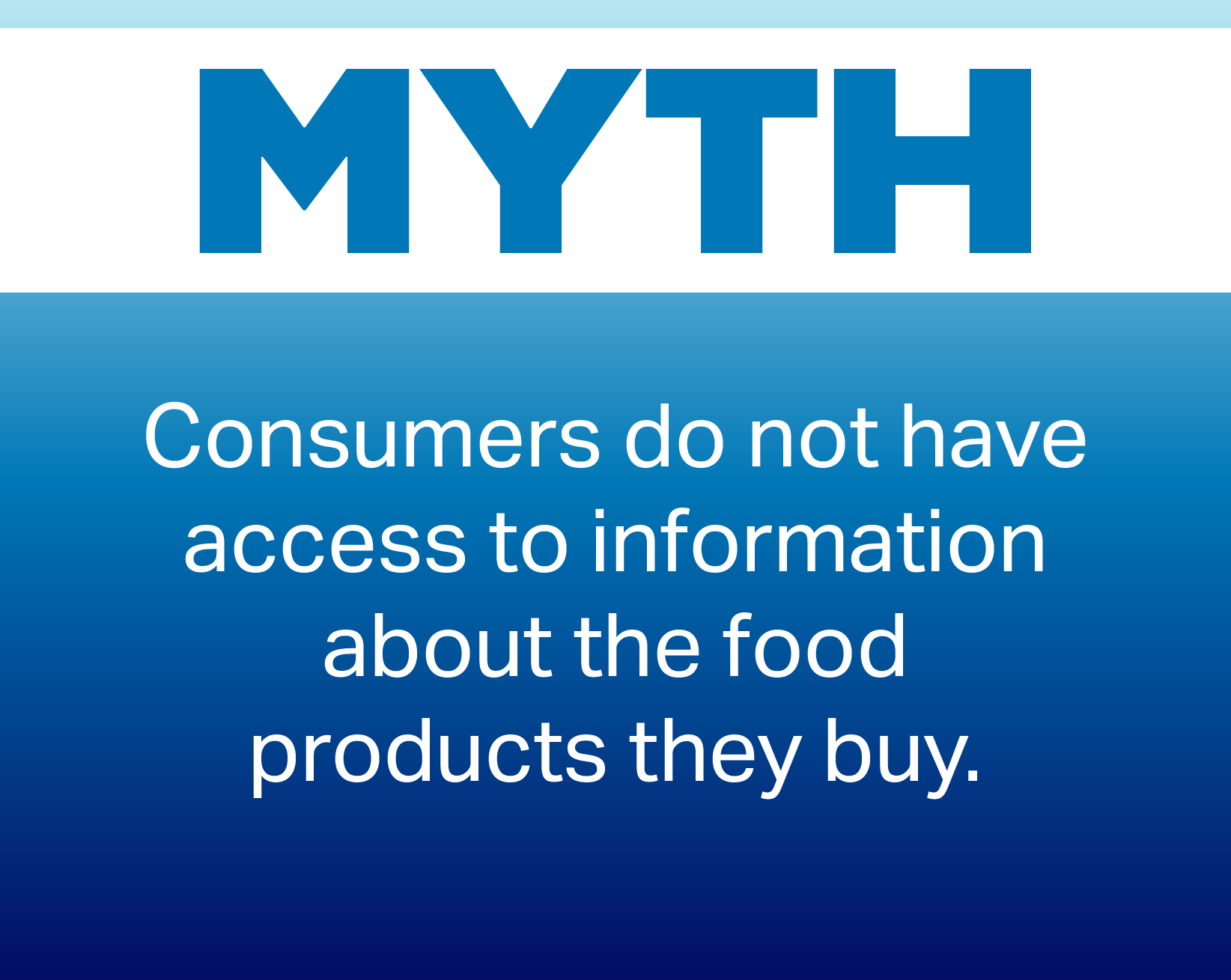
For over a decade, the consumer packaged goods industry has worked to increase consumer transparency through the use of multiple industry-backed initiatives. SmartLabel, a digital tool, empowers consumers to go beyond the product label. With a scan of a QR code found on many food, beverage, personal care, household, pet care, dietary supplement and OTC products, consumers can get more information into everything from ingredients definitions to how to recycle the packaging. Facts up Front, another transparency initiative, highlights important nutrition information in a simple and easy-to-use format. These labels, displayed on the front of food and beverage packages, provide consumers with information such as the number of calories and the amount of saturated fat,sodium or added sugars in each serving of a food or beverage product, helping to promote nutrition literacy.